Reading Labor Hours Fairly Across Sister Kitchens
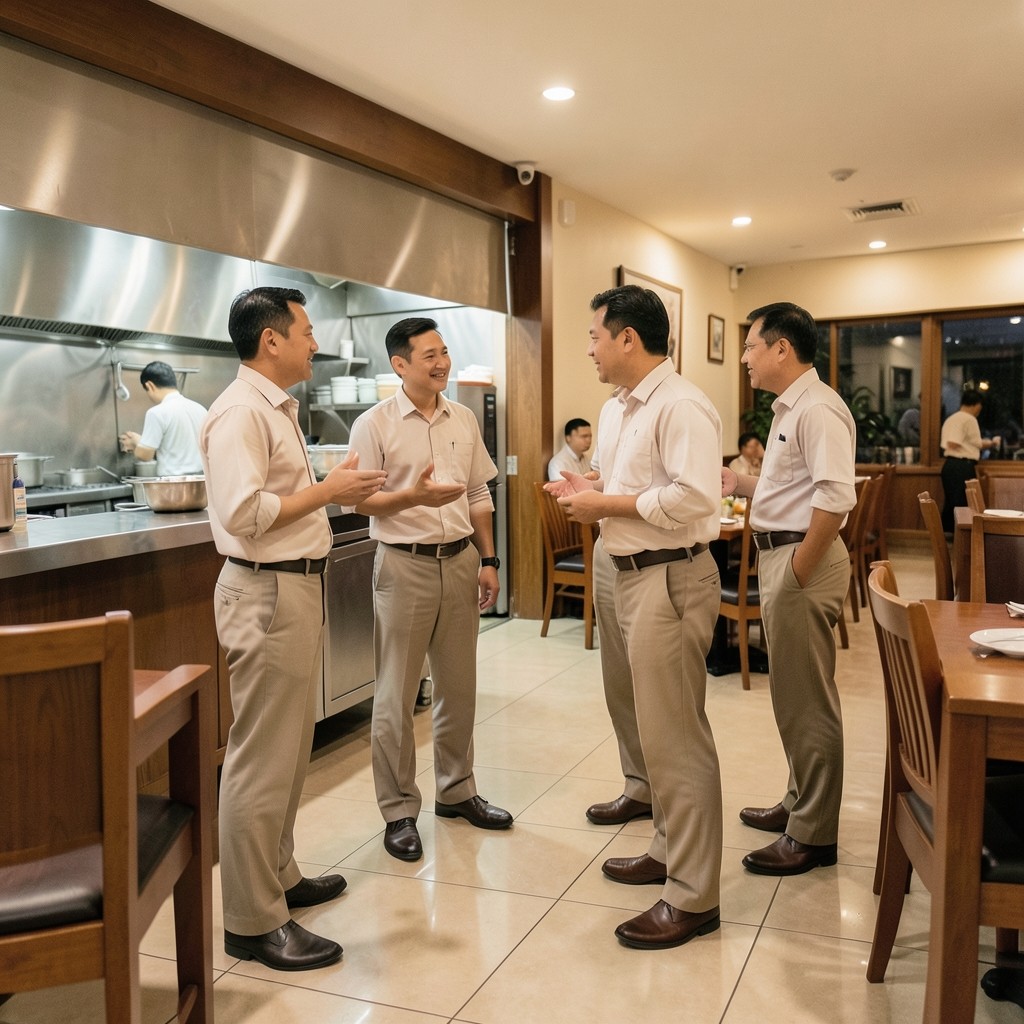
Labor cost as a single percentage of sales is a blunt instrument. A delivery-heavy outlet needs runners and packing time that a dine-in room does not. An outlet with late last orders needs a skeleton crew after the dining room clears. Comparing those kitchens on one percentage creates false alarms.
Split labor into kitchen, floor, and dispatch where your schedules allow it. Then look at hours per 100 covers for kitchen and floor separately. Dispatch hours can sit beside delivery order counts. This framing lets operators see whether the kitchen is heavy or whether the delivery channel simply needs more hands at peak.
Watch for schedule creep after festivals and school holidays. Groups in Suphan Buri and neighboring provinces often keep festival staffing a week too long. A short post-holiday reset, guided by the hours-per-cover chart, brings the schedule back without cutting into service quality.
Bring managers into the reading. When they help set the peer group—outlets with similar seating and delivery share—the targets feel owned rather than imposed from a distant office.