Waste Logs That Kitchen Managers Will Actually Keep
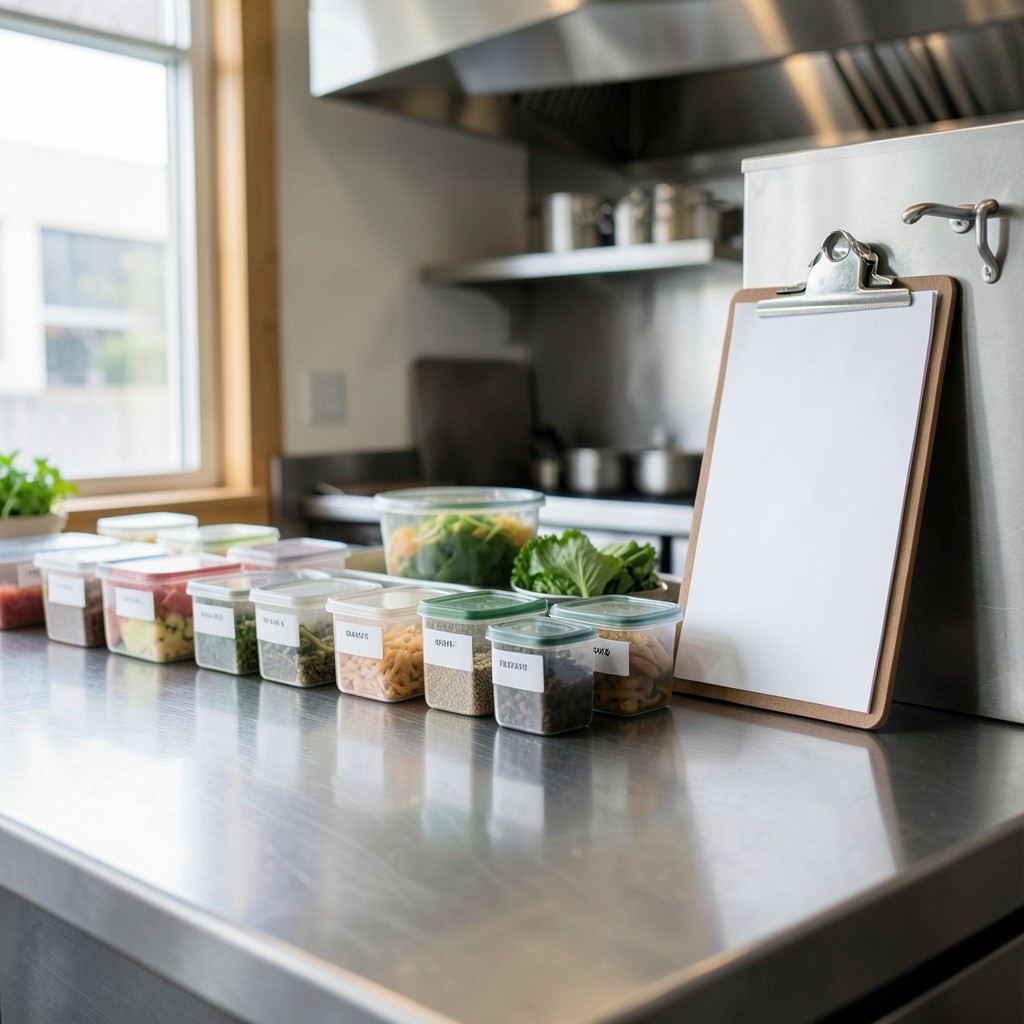
Waste tracking fails when the form asks for more detail than a busy pass can give. Managers then invent numbers at closing, and the group report becomes fiction. Keep the log to categories your chefs already recognize: prep trim, overproduction, spoilage, and plate returns.
Use weights or portion counts that match how the kitchen already measures—ladles, pans, or packs—rather than forcing everything into grams on day one. Convert later in the office if you need a cost figure. Consistency across locations matters more than perfect precision in week one.
Review the log in the weekly manager huddle, not only in a monthly finance pack. When a branch sees that overproduction of a slow dessert shows up next to its sister outlet’s tighter prep list, the conversation stays practical. Praise the team that reduced returns on a problem dish; do not turn the log into a punishment sheet.
Data Workhub clients who adopt this lighter log usually produce eight weeks of usable history within a quarter—enough to support a menu contribution study without arguing about missing rows.